







![[Slideshow] Senior Prom 2026: A Night to Remember Before Graduation](https://randolphrampage.com/wp-content/uploads/2026/06/Image-70-1200x900.jpeg)







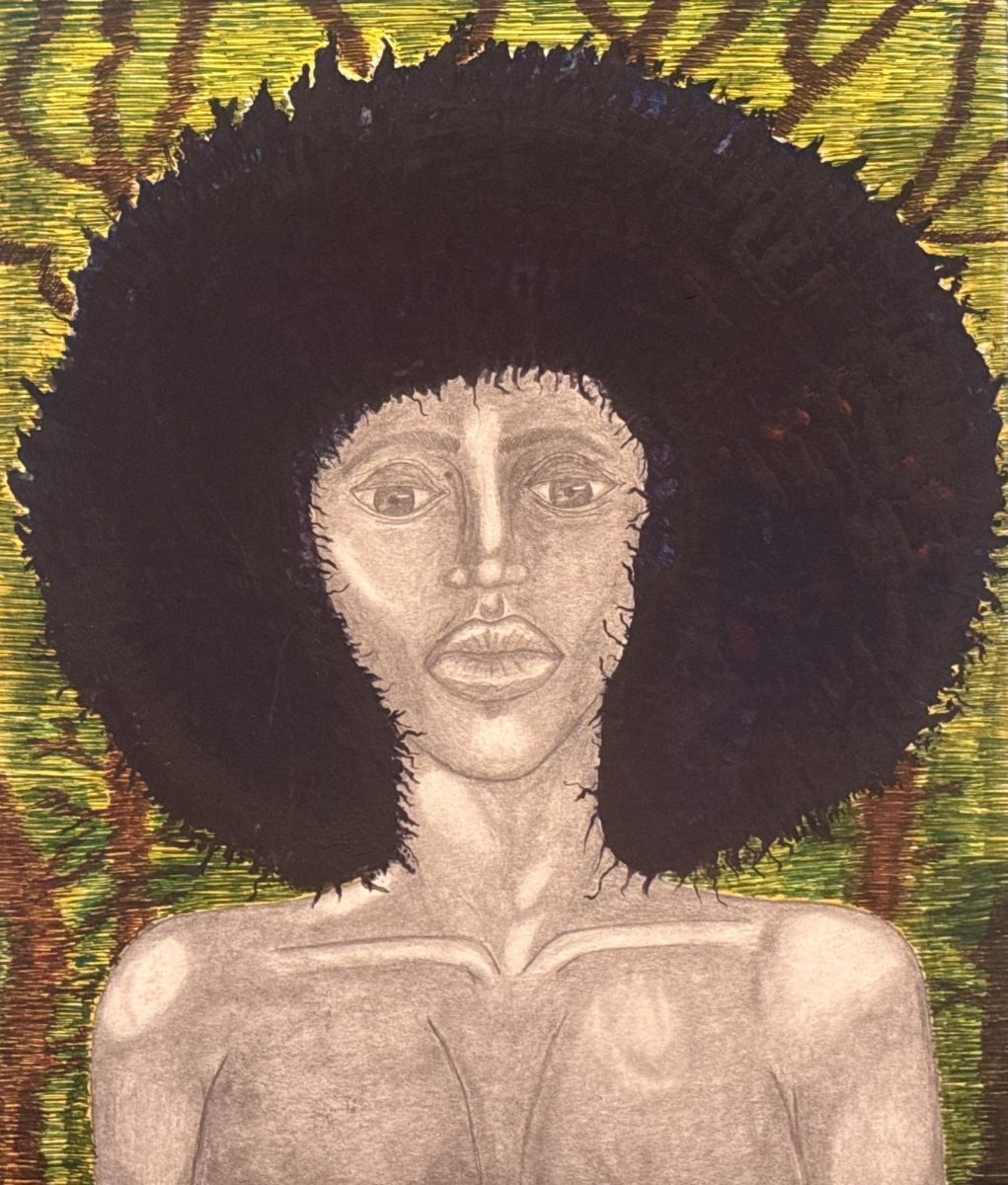
Searing my scalp, the hot comb pulls through my thick 4C hair. With every yank, a soft dusting of my weakened split ends falls away. This tug-of-war marks the beginning of the lengthy Black hair process: a process that is exhausting, and more than a little painful, but one that often feels necessary, especially when you reside in a majority-white area.
Looking as if she is preparing for battle, the stylist grimaces at every knot of resistance. She braids my hair into cornrows; once used as maps to freedom by my ancestors, they have now been repurposed to mask the very traits they passed down to me. As she prepares the long, lavish hair sourced from a woman I’ll never meet, the stylist separates and manipulates each bundle of extensions. My six-hundred-dollar extensions. My weave. A weave that whispers, How Black are you?
The first track, the longest weft, evokes my cultural roots extending across my 17 years of life. As the stylist smooths the hair, it reflects the inconsistencies within my own cultural identity. Trinidad and Tobago is my oxygen; it has been there since the day I was born, just like the air I breathe.
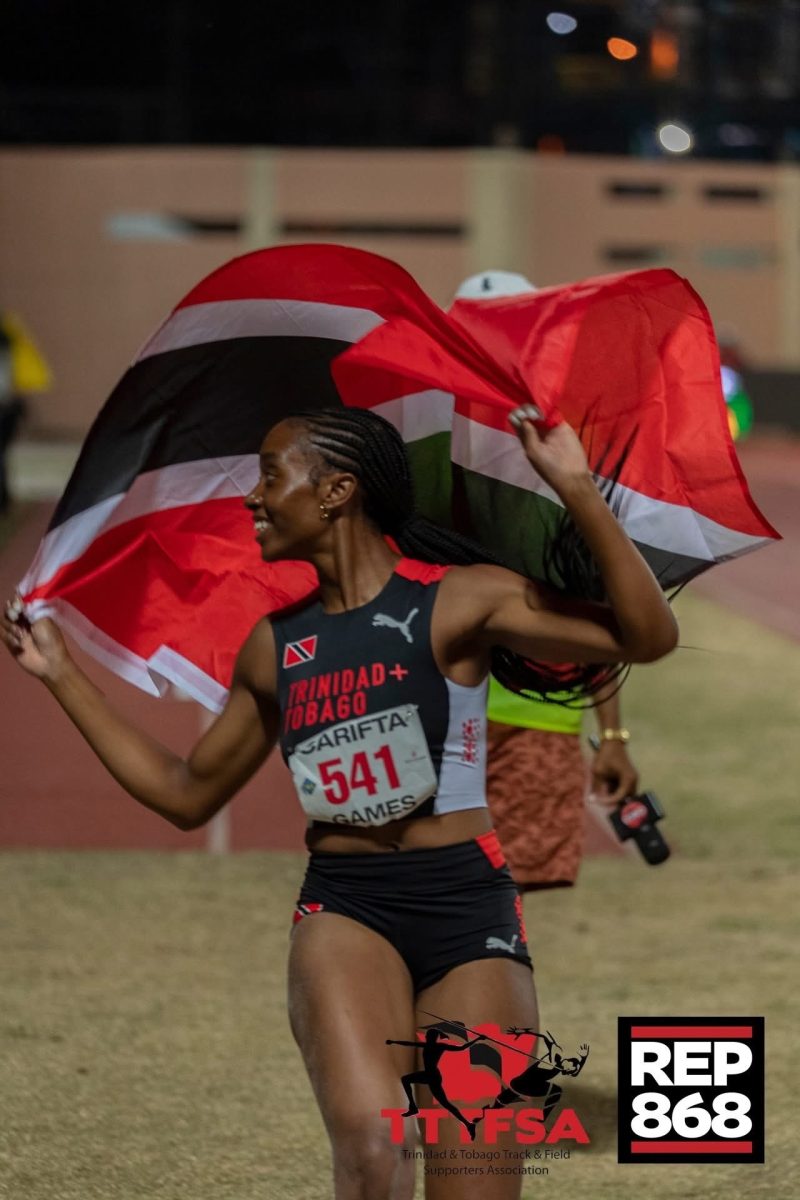
Like the bundle, my relationship with my heritage is tangled yet beautiful nonetheless. Working through those tangles only makes it more breathtaking. Each knot tells a story: not making the 2024 CARIFTA team, which celebrates young Caribbean talent in track and field; family conflict; the struggle to feel accepted. And, then, slowly, those knots loosen and blossom into curls: making the 2025 CARIFTA team, reunion and forgiveness and recognition as a national athlete.
The second track, the central bundle, serves as a transition between the others. It speaks of my values, personality and upbringing, and how they shape my identity. The sore patch in the middle of my scalp often demands that I become blacker, insinuating that I am not and never was Black enough. However, the second bundle soothes this patch. It acts as fresh Tobagonian aloe on an aching sore, a sore yearning to be in touch with my history. Just as this track adapts to both the shortest and longest bundles, my personality adapts to my Trinidadian and American heritage. As I learn more about my heritage, nationality and culture, my values mature, growing more complex while blending the two extremes of the spectrum.
The third track, the shortest bundle, represents my African-American identity. Despite always being a part of my life, my connection to this heritage is the least developed aspect of my identity. Previously, I never realized the difference between being American and being African-American, which rendered my values shallow and unfocused.
That changed during my junior year of high school, however. Taking AP African-American Studies, I explored the rich culture of Black America. Navigating the complex tapestry of this history, by turns tragic and thrilling and everything in between, I came to embrace my blackness rather than shun it. Getting this weave is part of my African-American identity. However, this track remains the shortest because it is unfinished. I have a great deal more to learn about being Black in America, the culture, and specifically, my role in this part of the African diaspora.
My thick 4C hair sprouts from the top of the weave, left unblended for now. I am now in the process of blending these layers, sealing together the aspects of my identity and connecting them to the environments I currently reside in and will one day enter. To accomplish this, I must accept all aspects of my identity and showcase them proudly, no matter what society might demand. Upon my head, as in my heart, I must embrace all the textures that define me.
jillianliebs • Feb 3, 2026 at 1:29 pm
so good